
LIMITED TIME SPECIAL OFFER
6,997
AED
Per Eye
Before
15,000
Offer Valid : 31st October, 2026*
We Accept All Major Insurances








- What Is a Cataract?
- Why Cataract Treatment?
- How Does It Work?
- Course of Treatment
- Symptoms of Cataracts
What Is a Cataract?
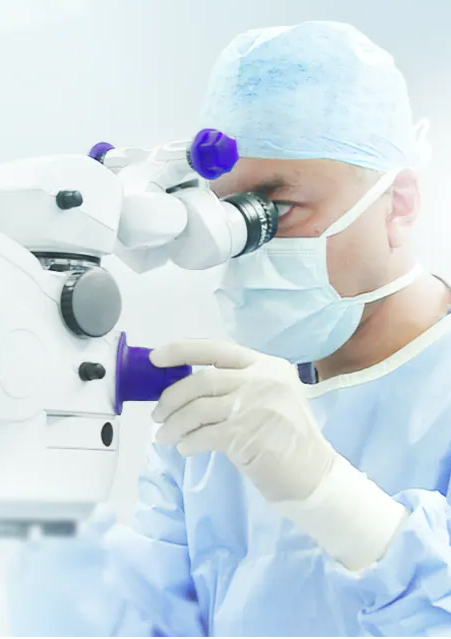
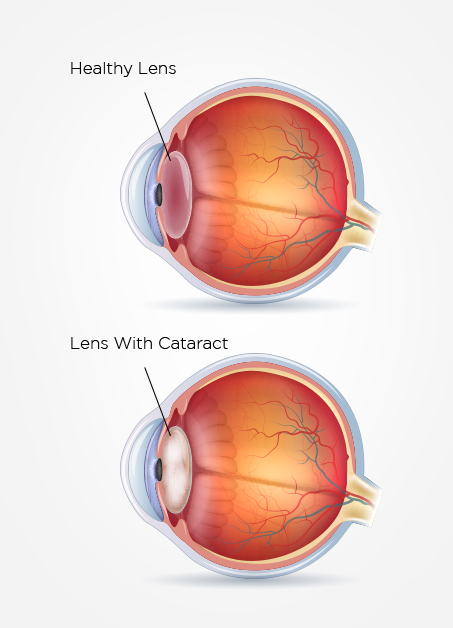
A cataract is a painless gradual clouding of the eye’s natural lens, which lies behind the pupil and the iris. This process tends to occur as people get older, but if you are suffering from this condition, there is no need to simply put up with it. At LERC, we provide leading cataract surgery procedures which reduce your dependence on glasses, and in some cases eradicate the need for them altogether.
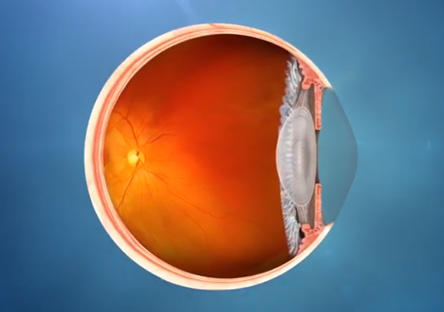
To understand the impact of cataracts, you first need to understand the function of the eye’s natural lens and the retina. The retina is situated at the back of the eye; it is a light-sensitive tissue. The lens is the clear part of your eye which helps to focus light onto the retina. Thus, when the lens becomes clouded, vision is impaired.
There are several different types of cataracts, which include:
- Age Related Cataract – Which happens over time
- Congenital Cataract – When babies are born with cataracts or they form in childhood due to injury or infection
- Secondary Cataract – Cataracts develop as a result of another medical condition or from being around dangerous substances or medication
- Traumatic Cataract – Forming after an injury to the eye
Why Cataract Treatment?
-
 Premium Procedure
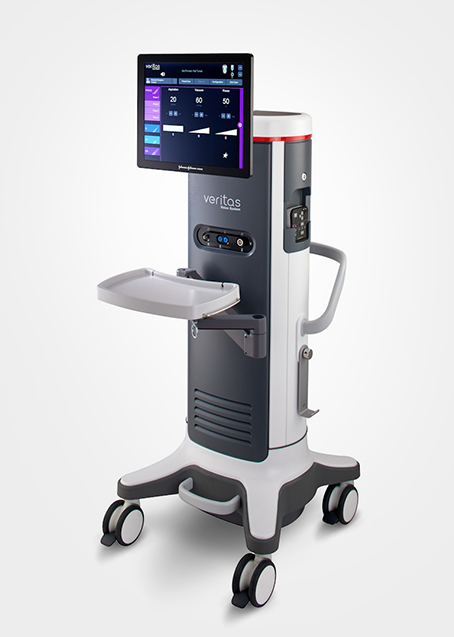
Laser cataract surgery is a more gentle procedure. Less energy is used inside the eye during laser cataract surgery as opposed to traditional cataract surgery. This ensures a safer, less-invasive removal of your eye’s natural lens.
-
 Unmatched Precision and Accuracy
Smaller, more precise laser incisions means your implant is better centered and snugly fit within your eye. A perfectly centered lens implant means a more accurate refractive result and better visual acuity after surgery.
-
 More Predictable Outcomes
The size, shape, and position of each incision is carefully programmed by our doctors ensuring more predictable and pleasing visual outcomes.
How Does It Work?
-
01
Opening The Cornea
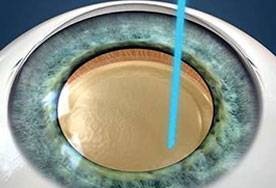
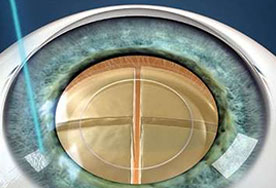
The Surgeon will use the laser to create an opening in the front layer of the lens.
-
02
Break Cloudy Lens
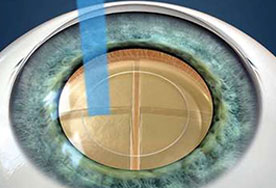
The surgeon uses the laser to break the cloudy lens into smaller pieces instead of using manual instruments.
-
03
Make Small Incision
The laser creates small incisions in the cornea, which allows access to the cloudy pence inside the eye.
Course of Treatment
-
01Personal Consultation, No Obligation
In a personal consultation, your doctor will first evaluate if your eyes are suitable for Cataract Treatment. All relevant parameters of the eye will be measured.
-
02Schedule Your Procedure
The procedure involves removing the cloudy lens and replacing it with a clear, plastic one. The eye surgeon makes a tiny cut in the cornea, the clear dome-shaped surface that covers the front of the eye. A tiny probe is inserted through the cut. Using ultrasound, the probe breaks up the cloudy lens into very small pieces, which are suctioned out.
-
03Surgery Day
You will need an adult to bring you to surgery and stay at the surgery center for the duration of your procedure. Your procedure will be relatively painless, thanks to IV sedation. After a short recovery period, you will be released to go home and relax.
-
04After Cataract Treatment
Immediately following surgery, the patient is monitored in an outpatient recovery area. The patient is advised to rest for at least 24 hours, until he or she returns to the surgeon’s office for follow-up. There will be some changes in the eye during recovery.
Symptoms of Cataracts
Common Symptoms of Cataracts
There are a number of different symptoms associated with cataracts. Everyone is different, so you may not suffer from all of them, but here are some of the signs you should look out for:
- Cloudy and/or blurred vision.
- Having to change your glasses or contact lenses quite regularly, due to your prescription altering.
- Seeing double or multiple images from one eye.
- Colours appearing faded.
- Poor vision at night – e.g. you find it difficult to see when the light starts to fade.
- Problems with bright lights – e.g. you may have difficulty driving at night due to the glare from oncoming headlights.
Tired of Blurry Vision?
Life Changing Treatment With No Risks
-
Normal Vision

-
Cataract Vision

- Dramatically improve your quality of life
- Have less glare when you look at bright lights



World Class Surgeons
Each consultant is renowned in their field and completely committed to providing our patients with first-class eye treatment. Every LERC consultant is highly trained and have Fellow of the Royal College of Ophthalmologists (RCO). Our consultants have carried out thousands of eye treatment surgeries.
Our consultants cover the full spectrum of eye health care treatments, and are supported by specialized teams with relevant and dedicated ophthalmic expertise – so you’re in the safest possible hands.
Why Choose Us
-

Most Advanced
Eye CareWe're proud to offer comprehensive eye care services in Dubai.
-

Outstanding
Treatment OutcomesTreatment outcomes should be realistic, clearly defined, and measurable
-
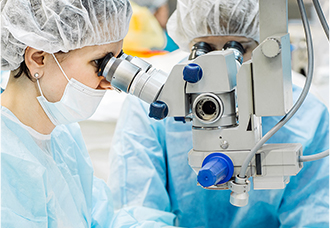
Internationally
Recognized LeadersA team of globally recognized and certified Eye specialists.
-
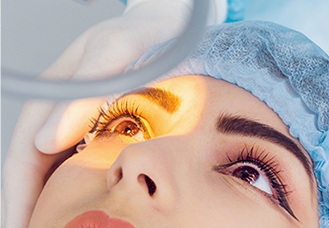
Pioneers in Laser
Vision CorrectionLaser eye care is one of the top clinics in Dubai known to deliver international standard healthcare services.
TECNIS Eyhance™ IOL
TECNIS Eyhance™ IOLs(ICBOO) offer a statistically significant improvement in monocular and binocular intermediate vision vs. TECNIS® monofocal 1-piece IOLs (ZCBOO).
- Improved intermediate vision!
- 20/20 distance vision

To See Again Is To
Live Again!
The next generation cataract
treatment for an improved vision
Our Specialists
-

Dr. Anwar Hamdan Sajwani
Medical Director Retina Consultant
M.R.C. Ophth. (England)
Fellow of Royal College of Surgeons -

Dr. Med Bertram Meyer
Consultant Ophthalmology
Fellowship of the German Board (Facharzt)
Scientific Board Member of Carl Zeiss- Meditec -
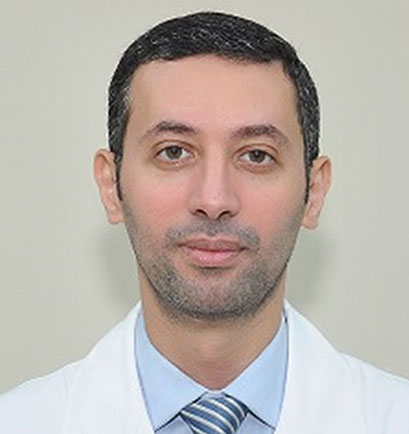
Dr. Mohamed A. Hafez
Consultant-Ophthalmology
Retina Consultant
Cornea and Refractive Consultant -
-

Femi Varghese
Optometrist
Watch Videos


Get a Free Consultation
Request a free consultation to know more
about Cataract Treatment.

-
Unfortunately. my mother was diagnosed with cataract treatment early this year. we were looking for a specialist online and came across Dr. Ahmed El Sawaf. Due to the severity of the case the nurses and clinic were very helpful for us to meet Dr. Ahmed immediately and perform the treatment. Thank-you again for the continuous support and follow-ups. forever grateful.
Wilson

-
Being someone scared of surgery, this was was far the fastest and painless surgery I've ever done in my life. this was life changing, not having to wear glasses anymore made me more confident about myself. I've always looked older than my age because of my thick glasses. but now here I am glasses free with a clear vision.
Feliz De Jesus

-
Through my experience of my father’s cataract operation, I would like to thank Dr. Ahmed Al-Sawaf for his professional skill in performing such precise operations, which were crowned with success. I also thank Professor Iman for the supervision and follow-up provided by the patient before and after the operation.
Haitham
Latest News
-
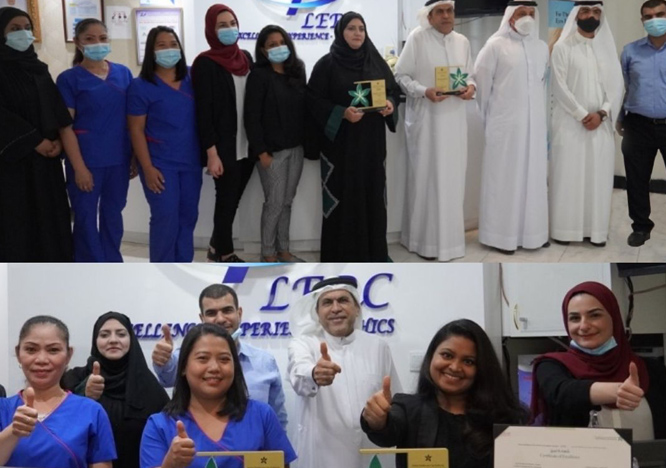
Laser Eye And Research Center Received The Excellence Award 2020
-
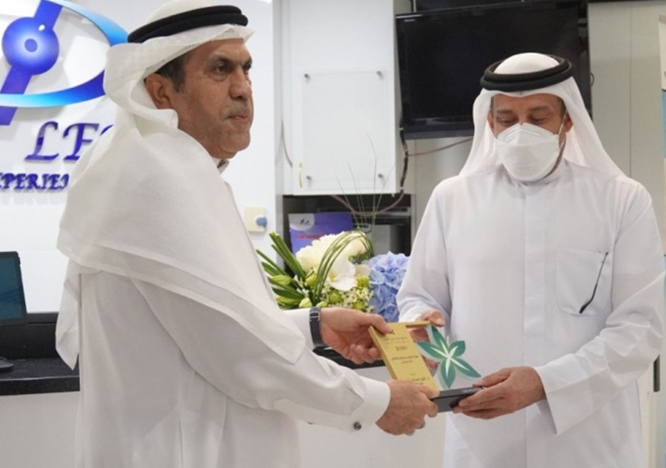
Dr. Anwar Hamdan Sajwani Receieved The Top Emirati Contributor Award
-
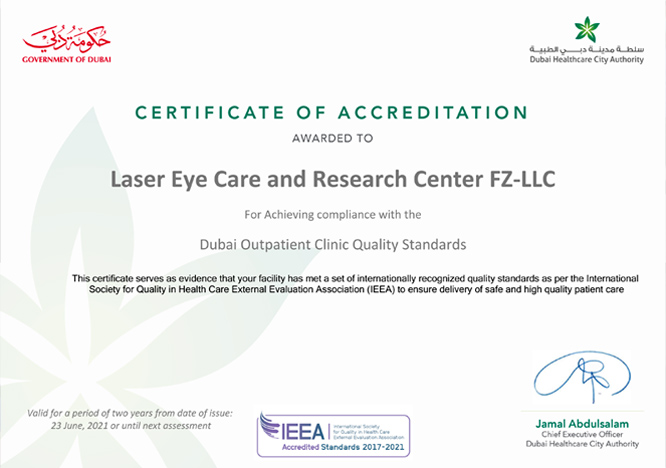
Certificate of Accreditation Awarded To Laser Eye Care and Research Center
Cataract treatment at LERC
At LERC, we pride ourselves on offering every patient a personalized approach to cataract surgery, tailored to your requirements and lifestyle. We offer two different procedures for treating cataracts both of which involve surgery.
Standard Cataract Surgery
Our standard cataract surgery, available privately or through the NHS, involves removing the natural lens and replacing it with a synthetic intraocular lens (IOL).
Procedure
Cataract surgery is a procedure that is performed under local anesthetic. The cloudy lens (cataract) is quickly removed and replaced with a synthetic intraocular lens (IOL) designed to last a lifetime. This treatment provides good distance vision but usually means you will still be reliant on reading glasses after the procedure. The lens used for this type of treatment is usually a mono-focal lens.
Refractive Cataract Surgery
Alternatively, we offer cataract refractive surgery, a more advanced type of cataract surgery, which uses a similar technique but replaces the natural lens with a permanent advanced multi-focal lens. Multi-focal lenses can help to correct refractive errors such as short sightedness and long sightedness, so you can experience better vision than you had even before the cataract developed. A variety of different lenses are available for different needs, and your surgeon will be able to advise you on the best option for you. This procedure uses state-of-the-art femtosecond laser technology. This could mean that your dependence on glasses or contact lenses is reduced significantly, or even eradicated completely.
Procedure
This procedure has been performed thousands of times and typically takes just 20 minutes per eye. If you wear glasses for reading, distance or near vision, or wear bifocal, varifocal or multifocal contact lenses, refractive cataract surgery may be the answer you’re looking for.
You will see the same surgeon throughout the course of your treatment, from your initial consultation and surgery, to the aftercare you receive after your surgery. This guarantees the best level of care. We also use the most innovative technology available, to ensure the very best results. Book a consultation today to find out if cataract surgery could be right for you.
FAQ’s
-
What factors increasing the risk of devolving cataract?
Age is perhaps the biggest risk factor when it comes to cataracts. It is, unfortunately, one of the ways the body deals with aging for many people. However, there are some other factors that can increase your chances of developing cataracts.
These include personal habits, such as smoking or excessive alcohol use. Certain conditions like diabetes can also result in heightened risk. There are also environmental factors, such as prolonged exposure to sunlight. So, as you get older, you need to think about how you live your life.
-
When to have your cataract removed?
There is no non-surgical treatment for cataracts. The only option to restore sight is to remove and replace the natural lens.
However, it is not the case that a cataract should be removed simply because it is present. For many people, a cataract will have no real impact on day-to-day life, and in such cases, it is not recommended to have a cataract operation unless the impact on vision worsens.
Unlike laser eye surgery, cataract removal is not an elective procedure and should only be carried out if deemed necessary by you and your surgeon. For example, if reading has become difficult, driving is impossible, and quality of life is impaired, these are all reasons for considering having cataract surgery.
It’s important to realize that it is always you, the patient, who has the final say about whether you have cataract surgery. Our world class surgeons can help you understand what is involved and advise you on the best way forward but it is up to you to decide if it’s for you or not.
Your own age and personal circumstances may become a factor in this decision. Some patients feel they are never too old for treatment, whereas others decide it might not be a good idea at this time in life. Whatever you decide, it’s up to you.
-
How quickly will my vision be restored?
After your cataract operation, your vision will be blurry at first and you may be asked to wear a protective patch. Your sight should return a few hours after the operation and your vision should improve quickly over the next week or two, reaching its optimum at 4-6 weeks.
-
Can I have both eyes done at once?
If you are suffering loss of vision in both eyes, then surgery will usually be carried out on both eyes, a few weeks apart. Although the risks are minimal with this procedure, it is not entirely risk free and therefore by keeping the operations apart, adequate healing can be ensured for the first eye before treatment is undertaken on the second eye.
-
Will there be any pain?
The operation itself is pain free. You will be awake during the procedure; however we will use a local anaesthetic to numb the eye and the area surrounding it. Afterwards, you may experience itching and mild discomfort, which is normal. This should disappear in just one or two days.